Start with the reason
Leak, storm, maintenance and pre-purchase inspections ask different questions.
Diagnosis before roofing work
A roof inspection connects indoor symptoms with the roof covering, flashings, ridges, valleys, penetrations and drainage. It gives a contractor the evidence needed to recommend a repair, maintenance, restoration or replacement scope.
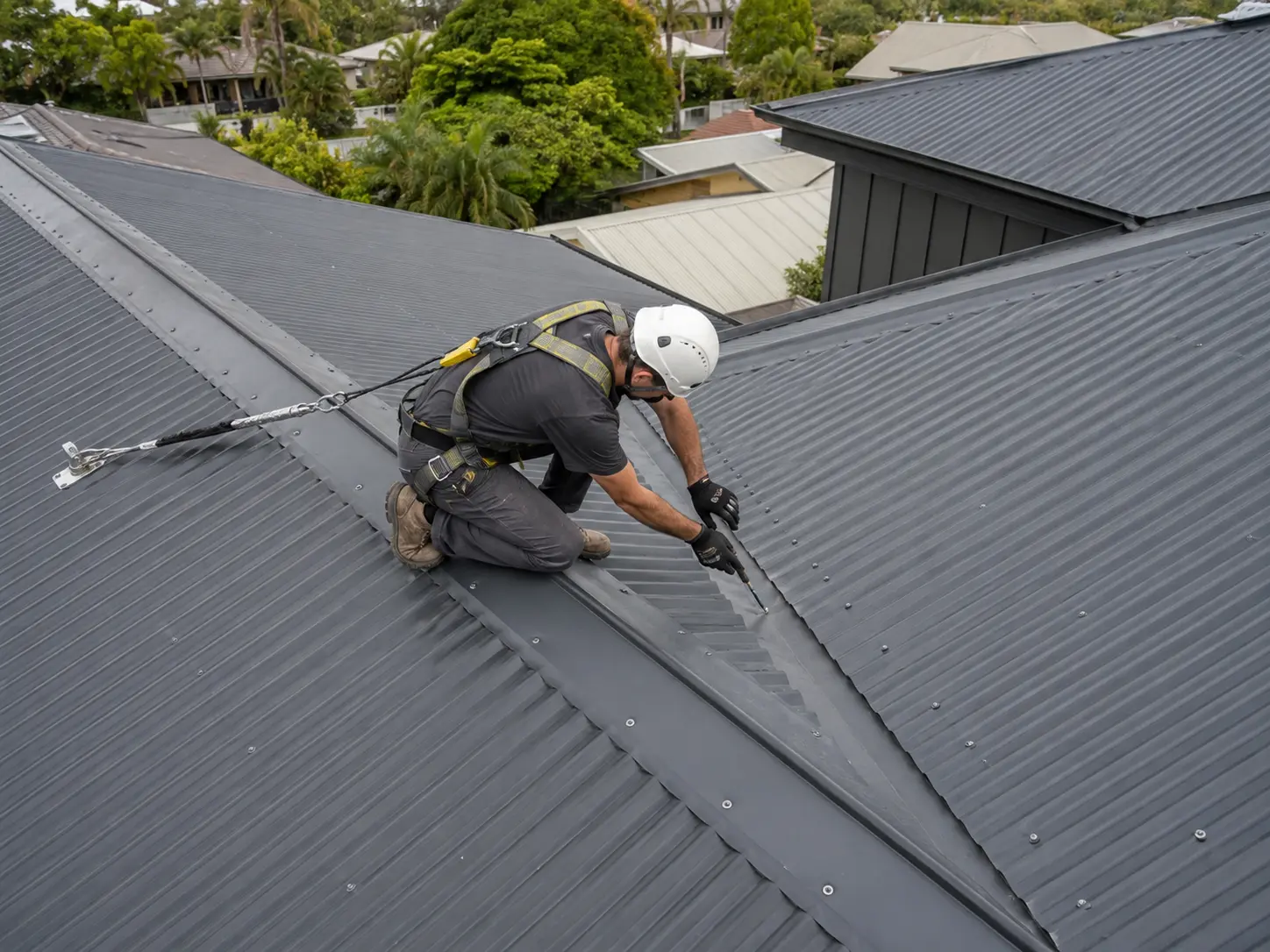
Leak, storm, maintenance and pre-purchase inspections ask different questions.
Photographs and clear notes help connect visible defects with the recommended scope.
Access, weather, roof pitch and safety affect what can be inspected on the day.
What to look for
Inspection makes sense when a symptom needs diagnosis, damage may extend beyond the visible area or you need a condition record before deciding on work.
The inspection begins with what happened inside: where water appeared, the rain intensity, wind direction, timing and any earlier repairs. Safe roof-cavity observations may show staining, damp insulation or a likely track. Electrical and access hazards must be considered before entering.
On the roof, the contractor checks upslope and around the affected geometry. Customers comparing professional inspection coverage can review roof inspections on the Gold Coast as one local service example. Tiles or sheets, laps, ridges, valleys, flashing, penetrations and gutters can all form part of the path. The purpose is to explain the likely cause, not to produce a long list of unrelated wear.
Tile inspection covers visible cracks, displacement, profile fit, ridge and hip caps, bedding, pointing, valleys, flashing and penetrations. The inspector may also note organic growth, debris or signs of foot-traffic damage that affect maintenance.
A broken tile can be clear from close access, but concealed sarking or support conditions may not be fully visible. The report or quote should distinguish observations from assumptions and state any access limits.
Metal-roof inspection covers sheet condition, cut edges, laps, fasteners, washers, ridges, barge and apron flashings, penetrations and drainage. Corrosion pattern and coating damage help separate a local defect from broad deterioration.
Safe access matters because wet, steep or fragile areas may prevent close inspection. Drone images can add a useful overview where offered, but they may not show loose fixings, fine cracks or the underside condition.
Gutters and downpipes should be checked for blockage, standing water, leaking joins, overflow marks and damaged brackets. Fascia and eaves can show where water has escaped behind the gutter or tracked along the roof edge.
Roof-cavity access can reveal moisture patterns, sarking and framing observations where safe and practical. It is not a substitute for structural or electrical assessment by the relevant licensed professional when those concerns arise.
A storm inspection records new impact, displacement or water entry after conditions become safe. A preventative inspection looks for maintenance items before an indoor symptom develops. A pre-purchase inspection, if the business offers it, needs a defined reporting scope and should state what sits outside the roofing inspection.
Do not publish insurance, report-turnaround or pre-purchase claims until the business confirms those services. The page can explain the purpose while leaving operational promises in the central configuration.
A useful inspection output links each material finding to a location and recommended action. Photographs can show a cracked tile, failed flashing or corroded section, while the written scope explains what will be repaired and what remains excluded.
Photo-supported reports should only be advertised when the contractor provides them. At minimum, the customer should receive a clear explanation of the likely cause, proposed work, access assumptions and any further assessment that may be needed.
Choosing the scope
A clear purpose keeps the inspection focused and helps the customer understand the output.
| Option | What it addresses | When it may fit |
|---|---|---|
| Leak inspection | Trace active or historic water entry and inspect likely roof paths. | You have a drip, stain, damp patch or recurring leak. |
| Storm-damage inspection | Record visible impact, displacement and related water-entry risks after safe access returns. | Wind, hail or debris may have affected the roof. |
| Maintenance inspection | Review roof covering, details and drainage for developing defects. | You want to plan practical work before failure becomes visible indoors. |
| Pre-purchase inspection | Document accessible roofing observations under a defined service scope, if offered. | Roof condition may influence a property decision and specialist input is needed. |
Common questions
Direct answers about inspection, scope and common roof faults.
Ready to act?
Share the property location, roof type and reason for the inspection. Safe photos and details about when the issue appears can help the contractor prepare for the visit.